
What matters most with toilet work
Cistern faults traced clearly
Running water and weak flushing are checked properly before parts are changed.
Replacement advice that fits
Space, access and outlet compatibility guide the choice of a new toilet.
Flush-tested at the end
The fitted toilet is checked repeatedly so it works as it should before sign-off.
Toilet faults are small until they are not
When you contact Harding Plumbing & Heating Limited for toilet repair, the problem is often one you have been putting up with for far too long. A toilet that runs constantly, refills slowly, leaks at the base or flushes like it has lost interest usually comes down to worn valves, flush parts, siphons, seals or loose connections. We trace the actual fault and repair what makes sense rather than jumping straight to full replacement. Sometimes the fix is a component inside the cistern. Sometimes the toilet itself has simply reached the point where changing it is the better option.
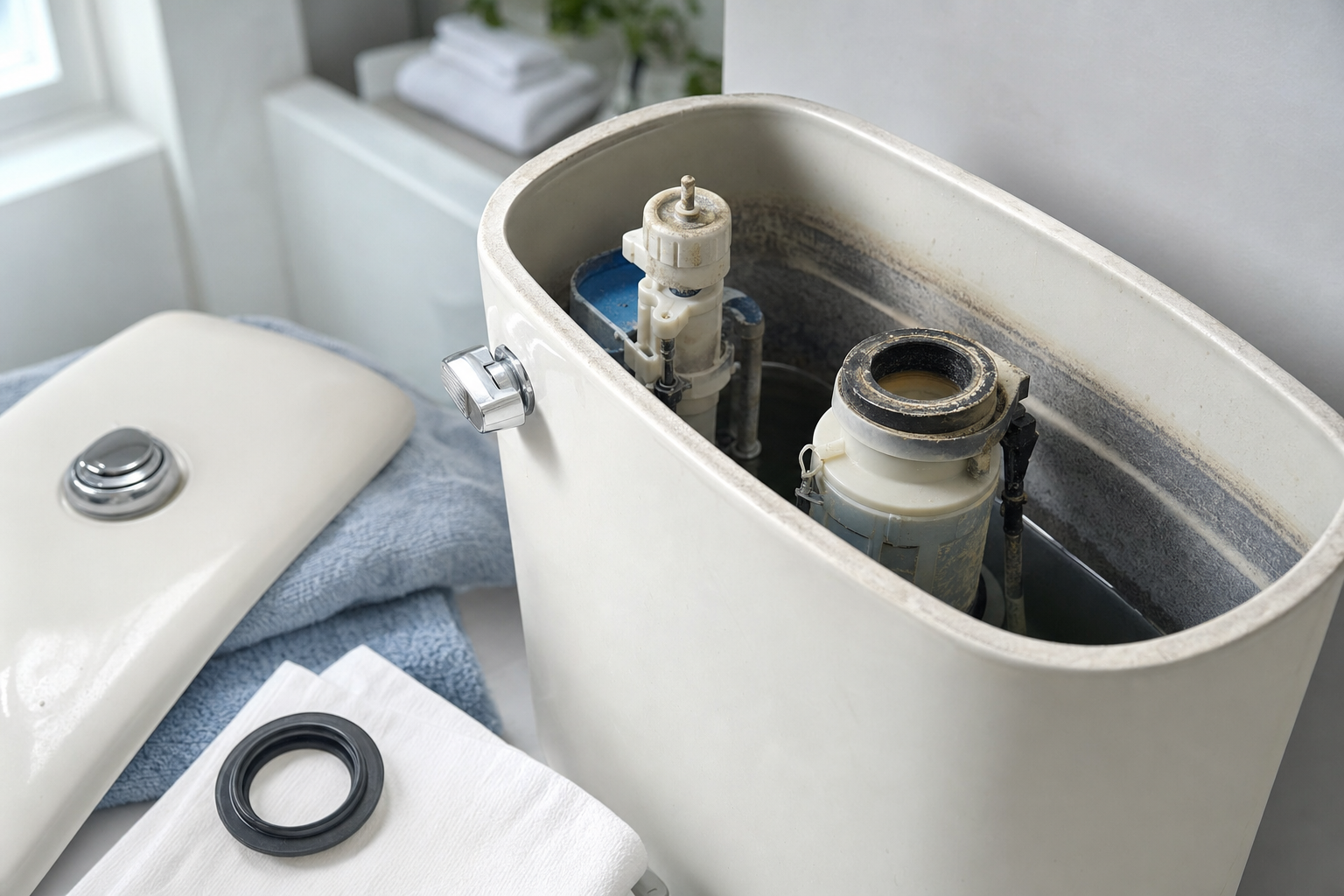
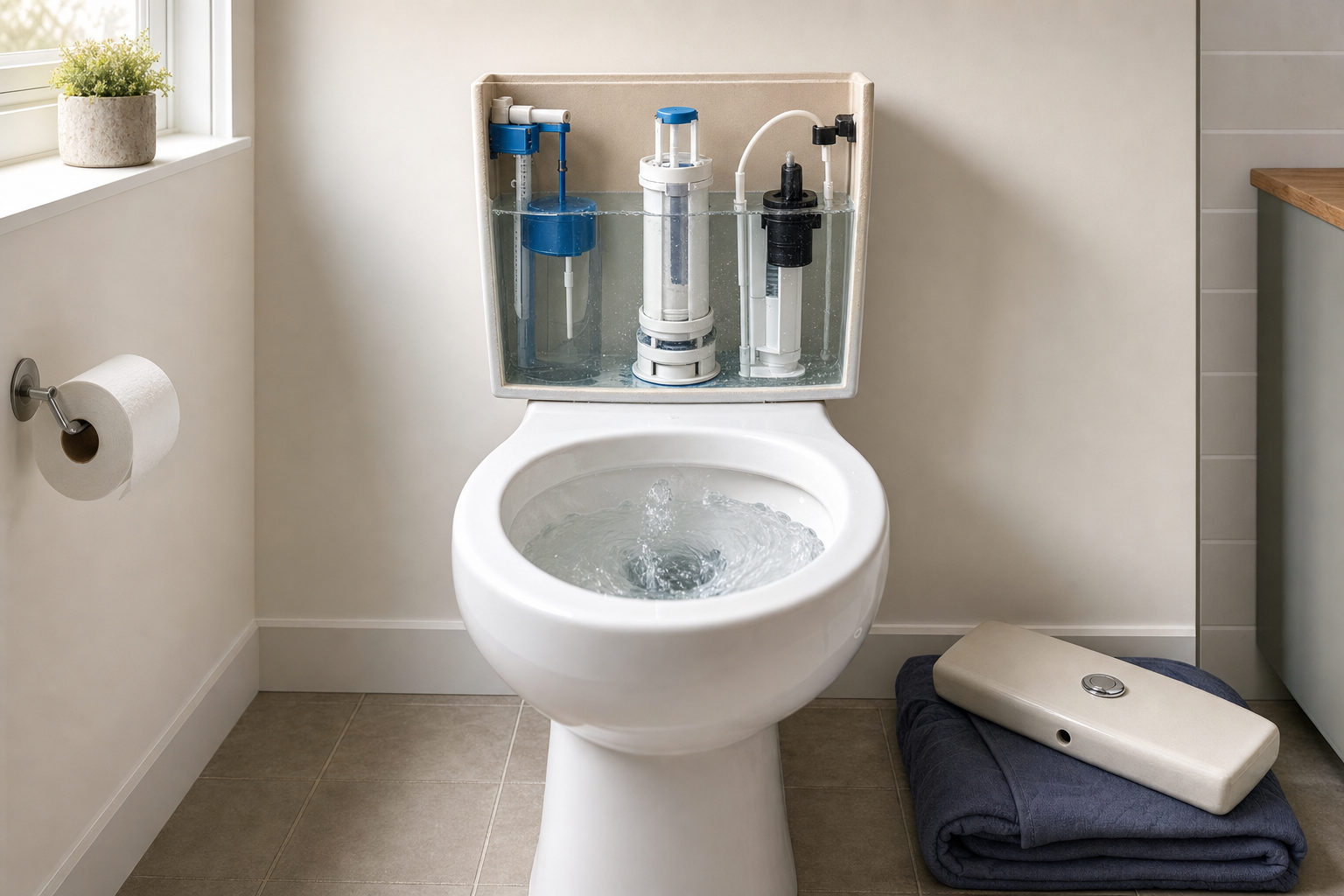
Repair if practical, replace when the whole set-up says so
With Harding Plumbing & Heating Limited, the service can also cover full toilet installation where the suite is damaged, outdated or no longer a good fit for the room. Close-coupled, back-to-wall and wall-hung options all bring different considerations around space, access and soil-pipe compatibility. When replacement is the right call, we fit the toilet securely, connect the water supply and outlet properly, seal it where needed and carry out repeated flush testing. The aim is a toilet that works properly without drips, rocking or the usual repeat performances.
Frequently asked questions
Can a running toilet usually be repaired?
Very often, yes. Continuous running commonly points to worn internal parts such as fill valves, flush mechanisms, siphons or seals. We inspect the cistern and related connections first, then explain whether a repair will give a sound result or if replacement is the more sensible route.
When is toilet replacement better than repair?
Replacement tends to make more sense when the toilet has repeated faults, damaged fittings, poor compatibility with the room or a worn set-up that is becoming awkward to keep going. We look at the full condition of the toilet, not just the latest symptom, before advising on the best outcome.
What do you check after fitting a new toilet?
We make sure the toilet is secure, properly connected to the water supply and outlet, sealed where needed and flushing correctly. Repeated testing is important because even a neatly fitted toilet is no use if the cistern refills badly, the outlet seeps or the pan shifts in use.