
What matters when water is getting where it should not
Leak source traced carefully
We follow the signs back to the likely cause instead of guessing from surface damage.
Quick isolation where needed
Stopping the affected supply early can help limit further mess and disruption.
Repaired and tested after
Once fixed, the system is checked again so the repair is doing its proper job.
The damp patch is not always the whole story
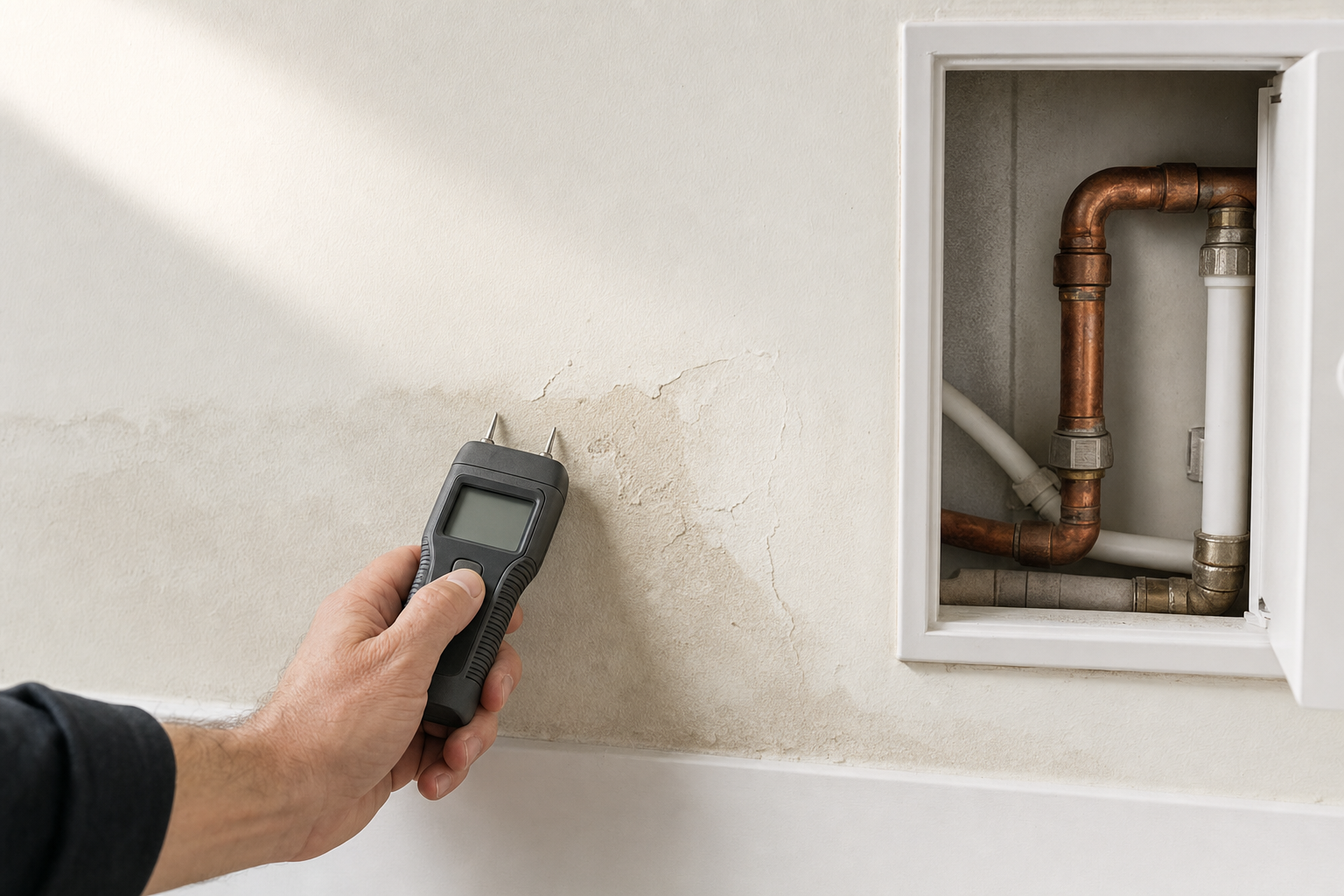
When you contact Harding Plumbing & Heating Limited for water leak detection, the main job is finding where the water is actually coming from rather than chasing the mark it has left behind. Warning signs can include unexplained damp, staining, pressure loss, odd water sounds or a meter that seems far too interested in your day. We trace the likely source from visible symptoms, fixtures, joints and accessible pipe routes, then narrow the problem down before repairs begin. Acting early matters because even a modest leak can quietly do a lot of damage if it is left to keep trying its luck.
Find it, isolate it, repair it and test it
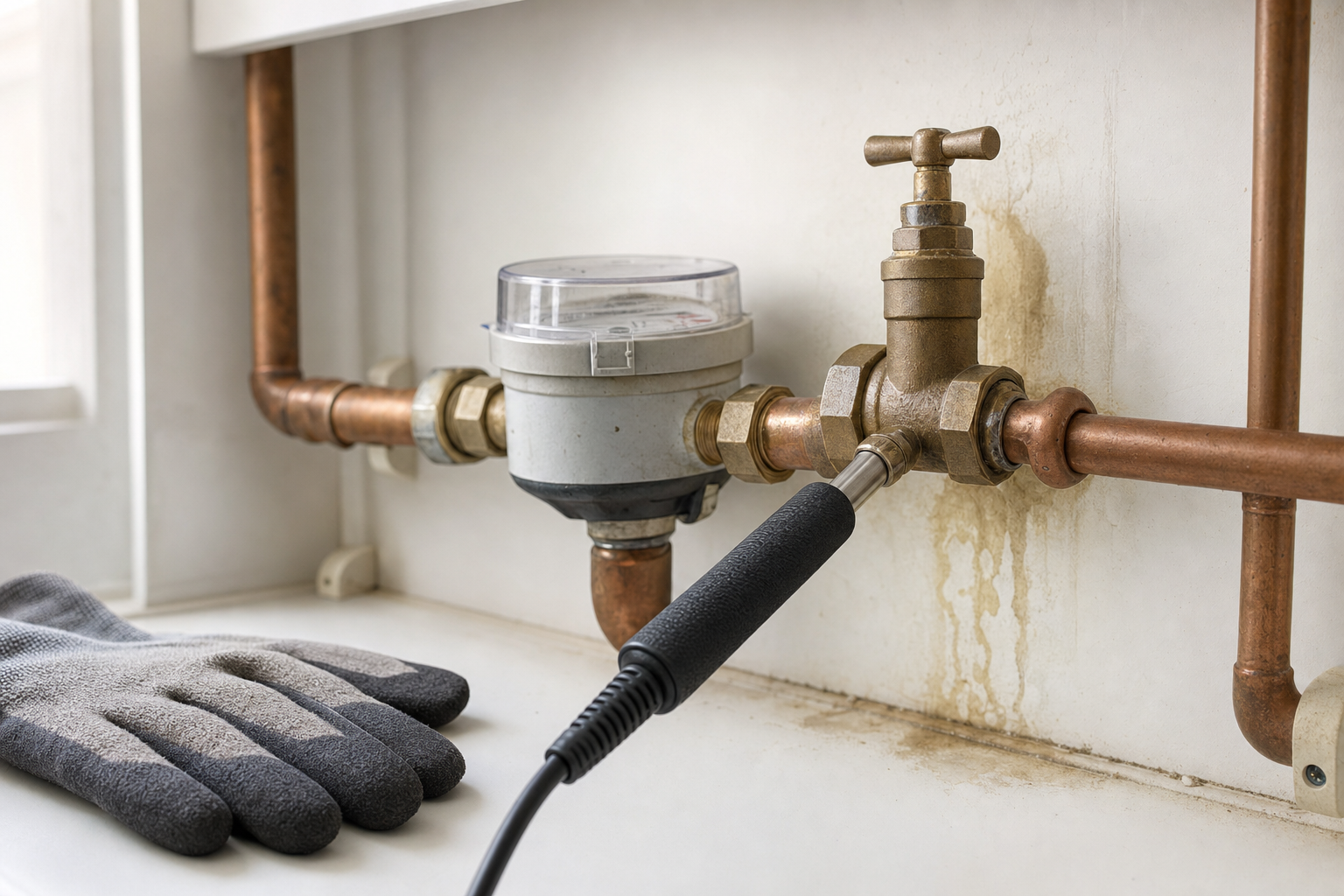
With Harding Plumbing & Heating Limited, the next step is to isolate the affected supply where needed, carry out the source repair, reconnect the system and test it properly. The aim is not only to stop the obvious leak, but to make sure the plumbing is operating correctly once the repair is complete. Photos and a clear note of where you have seen damp, dripping or pressure loss can help us understand the problem faster before the visit. That can make the first look more productive, especially when the leak has been sneaky rather than theatrical.
Frequently asked questions
What are the common signs of a hidden water leak?
Damp patches, staining, reduced pressure, unexplained water sounds and unusual meter activity are all common warnings. The tricky part is that the visible sign is not always where the leak starts, which is why tracing the source through fixtures and pipe routes matters so much.
Can the leak often be repaired on the same visit?
If the source is accessible and the fault is straightforward, it often can be. The exact answer depends on what is found once the leak is traced. We identify the affected component first, then explain the repair needed and test the system again once the work is completed.
What should I do before you arrive for a leak?
If you can safely isolate the affected supply, that is helpful. It also makes sense to note where the signs first appeared and take a few photos if possible. Those details can help us understand the fault more quickly and reduce the time spent working backwards from the damage.